Back to list

The State of Corporate Accommodation in 2026: From Industry Self-Awareness to Structural Change
2025 marked a turning point in how corporate accommodation challenges were understood. The patterns became clearer, and the constraints more visible.
In this article, we bring together the ten themes explored across the series. We also highlight the key priorities shaping 2026.
What Did 2025 Reveal About Corporate Accommodation?
Throughout the year, conversations across conferences, sourcing discussions, surveys, and private meetings pointed to the same issues.
For example, buyers and hotels consistently mentioned:
-
Fragmented data
-
Manual processes
-
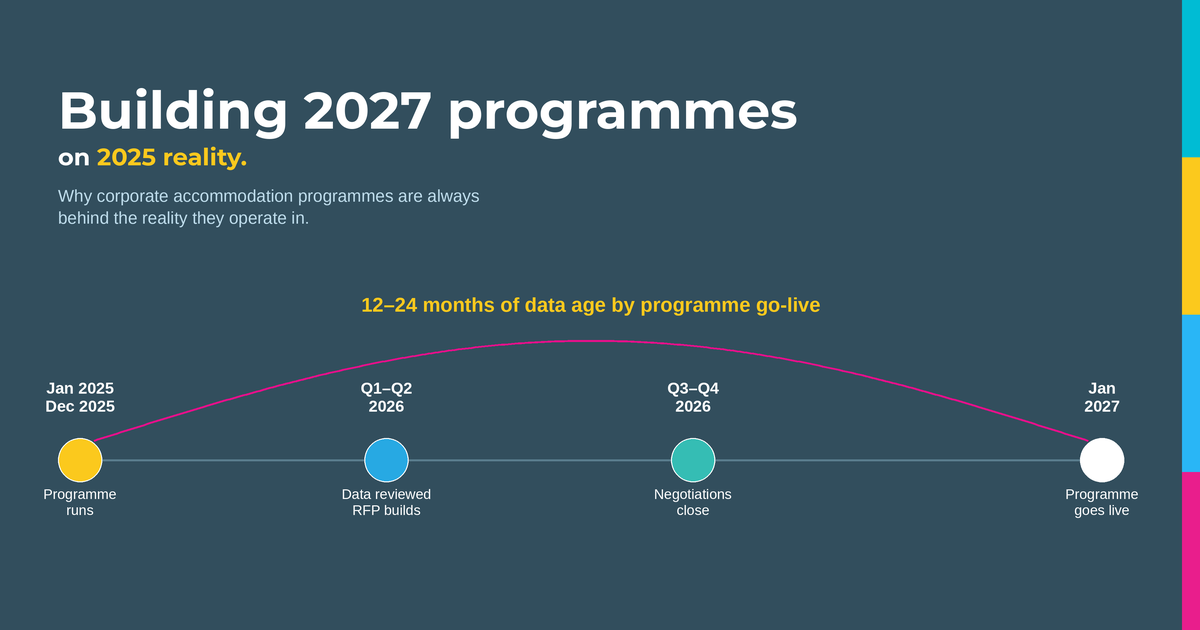
Annual cycles that don’t match fast-changing markets
-
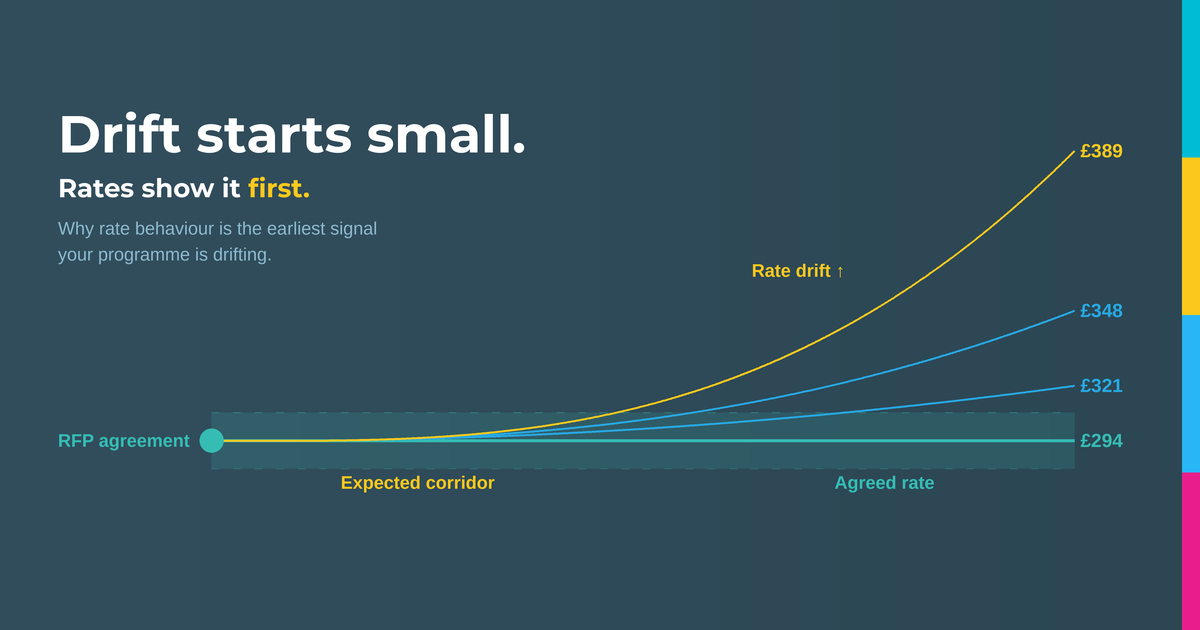
Rates that are hard to predict or explain
-
Programmes managed reactively instead of continuously
Importantly, these were not isolated concerns. Instead, they appeared again and again.
However, what truly changed in 2025 was the openness in discussing them.
The industry didn’t break apart. Rather, it became more honest about the limits it faces.
The Ten Themes That Defined the Year
Across this series, ten interconnected themes emerged:
- The confidence gap: more reporting without more certainty.
- The disconnected data problem: no single source of truth across systems.
- The RFP limitation: annual structures in a continuously shifting market.
- The leakage reframe: system design misidentified as traveller non-compliance.
- Rate integrity: negotiated value undermined by distribution complexity.
- Buyer pressure: growing expectations without growing infrastructure.
- Hotel operational strain: complexity layered across fragmented technology.
- The timing gap: insight arriving after its moment of influence.
- Ecosystem misalignment: shared objectives constrained by fragmented definitions.
- The architectural ceiling: optimisation reaching diminishing returns – as examined in our analysis of the design limits of corporate accommodation.
Individually, each issue can be managed. However, when combined, they show a system reaching its limits.
What Does Structural Change Really Mean?
Structural change doesn’t mean disruption. Instead, it means better alignment.
In simple terms, it involves aligning:
-
Data definitions
-
Timing of insights
-
Programme governance
As a result, performance and value can be understood clearly across the ecosystem.
Three Practical Priorities for 2026
Based on the research, three clear priorities emerged.
1. Data Alignment
First, organisations need shared definitions.
For instance, everyone should agree on what counts as:
-
A booking
-
A stay
-
A negotiated rate
-
A leakage event
This way, data can move between systems without being reinterpreted each time.
2. Continuous Visibility
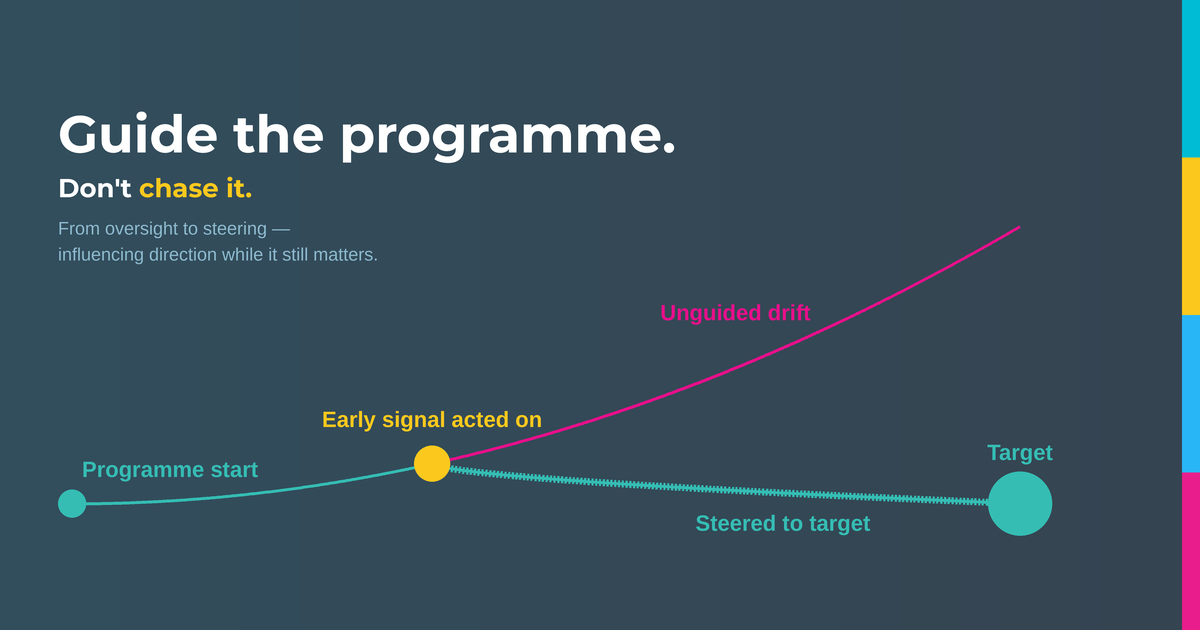
Next, companies must move beyond backward-looking reports, and build on the decision-time visibility principles discussed earlier in the series.
Instead, they should focus on real-time signals. For example:
-
Spotting rate changes early
-
Identifying leakage patterns quickly
-
Tracking performance as it happens
As a result, decisions can be made during the right window – not after it closes.
3. Collaborative Structures
Finally, stronger collaboration is essential.
Rather than relying only on annual reviews, buyers and hotels should maintain ongoing dialogue.
This allows programmes to adjust as conditions change, instead of falling behind.
What Role Does Technology Play?
Technology is important – but it’s not enough on its own.
While tools for rate tracking, data analysis, and reporting already exist, the real issue is connection.
In other words, systems must work together so that:
-
Data keeps its meaning
-
Insights arrive on time
-
Decisions are easier to make
Therefore, this is not about using one single platform. Instead, it’s about aligning multiple systems.
When this happens, confidence improves without adding extra manual work.
Where Does the Industry Go Next?
Now, the patterns are clear.
Both buyers and hotels understand the challenges. At the same time, they share a desire for better alignment.
So, the real question for 2026 is simple:
Will change happen by design – or by chance?
The State of Corporate Accommodation acts as a guide. Not because it introduces new problems, but because it brings existing ones into focus.
Final Thought
Structural change doesn’t require disruption.
Instead, it requires coordination, clarity, and shared intent.
And importantly, those building blocks are already in place.