Back to list

The Annual RFP Cycle in Corporate Accommodation: Structural Misalignment in a Dynamic Market
The annual RFP cycle was designed for a stable market. However, corporate accommodation is no longer stable. Demand shifts quickly, pricing changes weekly and travel programmes evolve throughout the year.
This article explores the tension between once-a-year sourcing and a market that moves continuously. It also reflects what buyers and hotels said about this issue in 2025.
What Is the Annual Corporate Hotel RFP Cycle Designed to Do?
The annual corporate hotel RFP process is a once-a-year sourcing cycle. It helps companies negotiate rates, confirm property participation, and set programme terms for the coming year.
For many years, this process followed a clear structure. Buyers negotiated rates annually, confirmed which hotels would participate, secured availability commitments, and managed exceptions during the year.
In stable market conditions, this system worked well. Demand patterns were predictable. Rate changes were gradual. Travel policy adjustments happened slowly.
As a result, the annual sourcing event provided a reliable moment for commercial alignment.
The core assumption was simple: the market would not move faster than the agreement itself.
Today, that assumption no longer holds.
Why the Annual Cycle Now Creates Friction
Across buyer and hotel feedback in The State of Corporate Accommodation, one issue appeared repeatedly. The market now moves continuously, but sourcing still happens once a year.
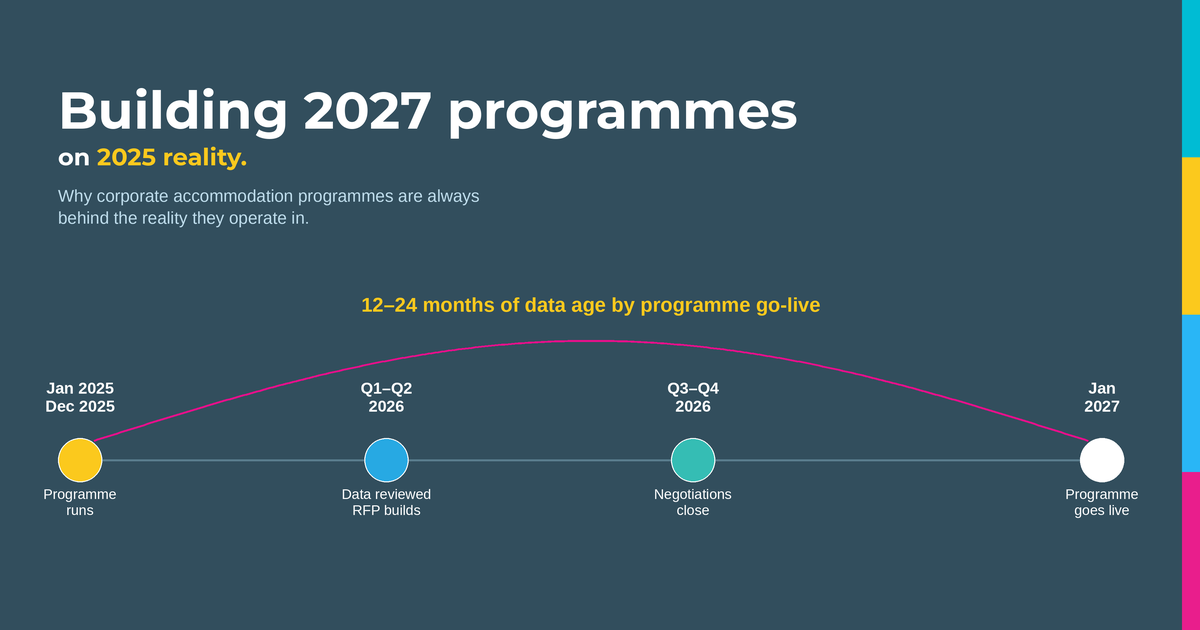
Hotels described RFP seasons that require significant time and effort. Teams complete large templates, repeat the same data entries, and negotiate rates that attempt to predict conditions twelve months ahead.
Meanwhile, buyers reported another challenge. Market changes often overtake agreements only months after signing them.
That challenge is compounded by fragmented data environments, where no single source of truth exists across hotel, TMC and payment systems – a structural constraint examined in detail in our analysis of the disconnected data problem in corporate accommodation.
At the same time, the market keeps moving:
-
Dynamic pricing structures shift weekly
-
Demand patterns change quickly
-
Availability rules tighten or loosen in busy markets
-
Sustainability expectations evolve during the year
-
Corporate travel volumes fluctuate
None of these shifts are unusual. Instead, they reflect a market operating in real time.
However, friction appears because the operating cadence has not evolved at the same speed.
What Happens During the Eleven Months Between RFPs?
The real strain appears after sourcing ends.
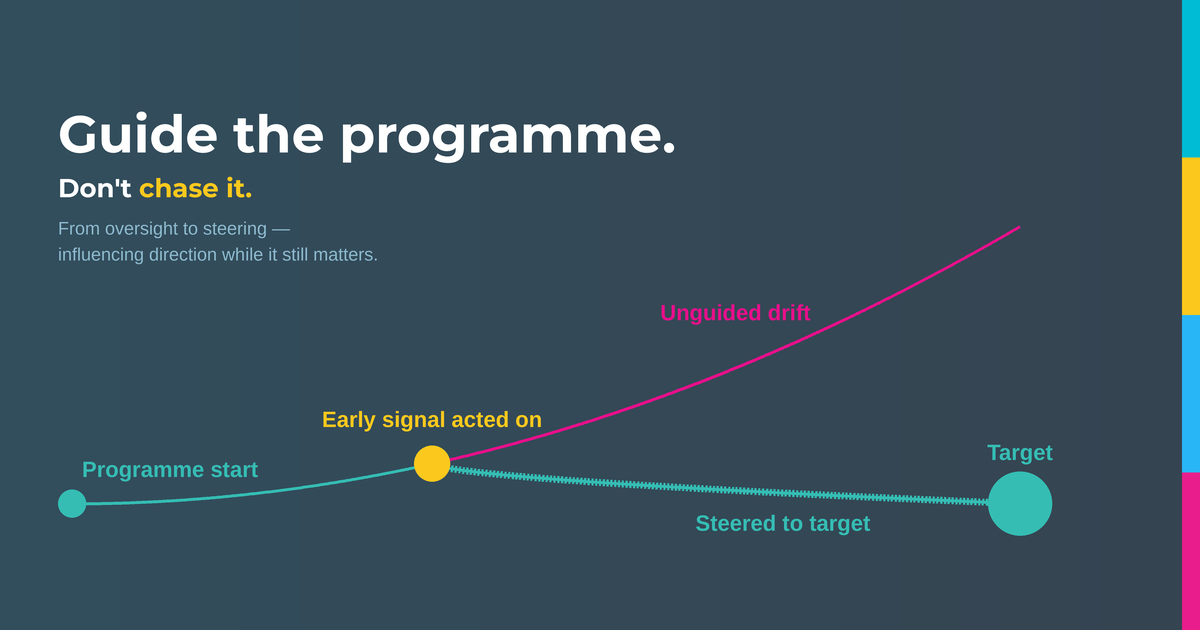
Once companies finish the RFP process, most programmes move into a reactive management mode. Over time, several things begin to happen:
-
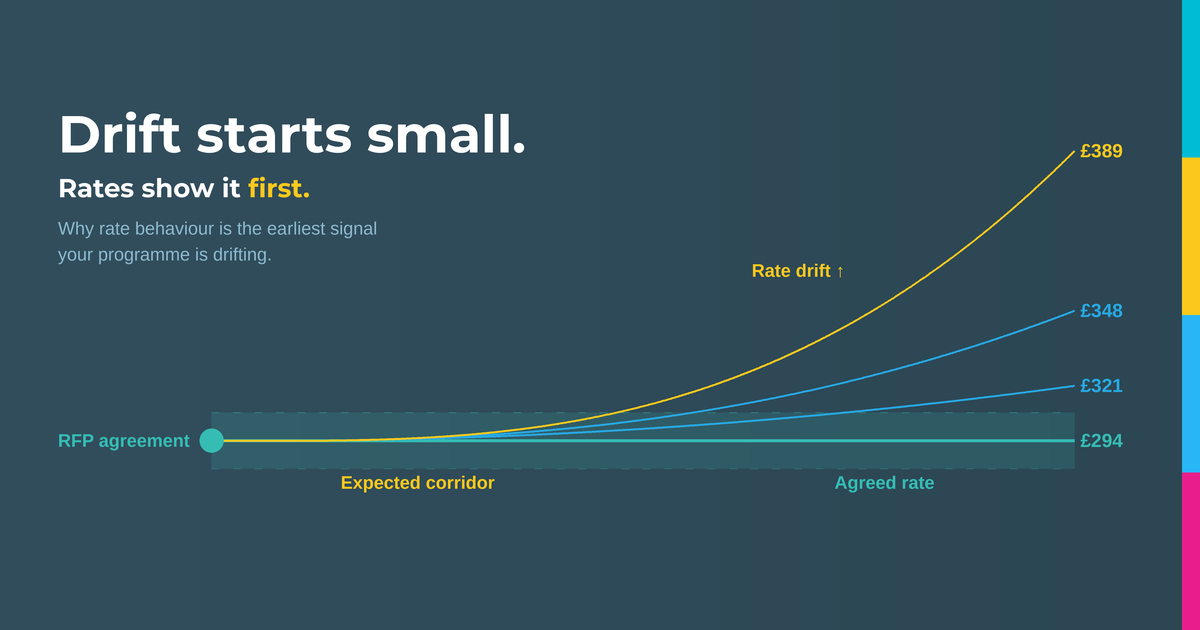
Rates drift away from market conditions
-
Availability rules differ across booking channels
-
New hotels enter the booking ecosystem
-
Leakage increases in specific cities or categories
Unfortunately, teams rarely see these shifts while they happen.
Instead, they identify them later during quarterly reviews, pre-RFP analysis, or year-end reports. By then, the affected commercial period has already passed.
The issue is not that programmes lack data. It is that visibility remains episodic rather than continuous.
The issue is not that programmes lack data. It is that visibility remains episodic rather than continuous.
As explored in our earlier analysis of why increased reporting has not improved confidence in corporate accommodation programmes, visibility that arrives after the fact cannot support real-time steering.
And by design, an annual negotiation event cannot provide real-time control.
Should the Industry Replace the RFP?
In 2025, the industry’s answer was clear: no.
The RFP still plays an important role. It creates a structured moment for buyers and hotels to clarify expectations, align commercial assumptions, confirm property coverage, and formalise commitments.
Removing the process would not solve the structural problem.
Instead, the opportunity lies elsewhere.
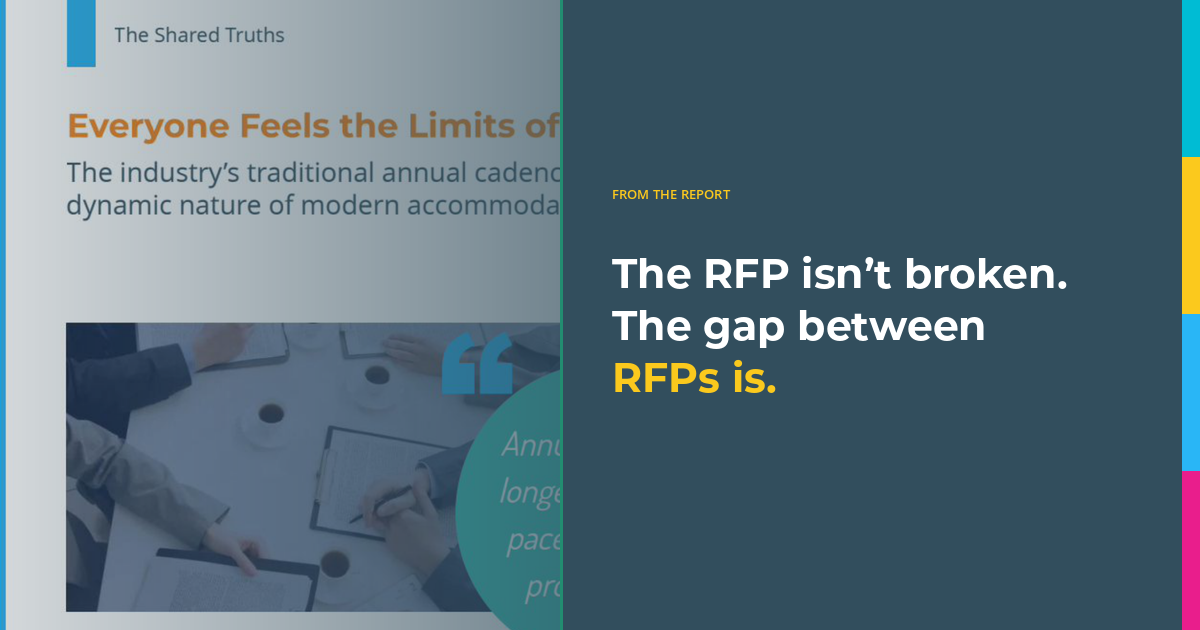
The real gap sits between sourcing events.
If programmes strengthen the eleven months between RFPs, the entire system works better. For example, organisations can improve performance by introducing:
-
Earlier detection of rate drift
-
Clearer visibility into hotel availability
-
Ongoing leakage monitoring
-
More frequent performance insights
These improvements do not replace the RFP. Instead, they reduce the pressure placed on it.
Why Relying Only on the RFP Creates Risk
When organisations treat the annual RFP as the main control mechanism, they place too much weight on a single event.
As a result, year-end surprises often look like sourcing failures. In reality, they usually reflect normal market changes that occurred without continuous oversight.
Negotiations then attempt to solve problems that actually began months earlier. Meanwhile, tension grows around commitments that were difficult to maintain in a changing market.
In effect, the RFP becomes a pressure valve for issues that developed between RFP cycles.
Once organisations recognise this distinction, the conversation changes. Instead of redesigning the sourcing ritual, leaders can focus on modernising the visibility and management systems that support it.
Conclusion
The annual RFP cycle is not obsolete. However, it cannot operate effectively on its own.
Corporate accommodation now operates in a market that moves continuously. Therefore, static annual agreements cannot stabilise the programme without ongoing visibility and management.
The real question for the industry is not whether the RFP should disappear.
Instead, it is whether organisations can strengthen the months between RFP cycles. If they can, they will reduce the reconstruction work that currently defines year-end reviews.
The State of Corporate Accommodation explores this structural tension in more detail and reflects the direction that buyers and hotels are already signalling.