Back to list

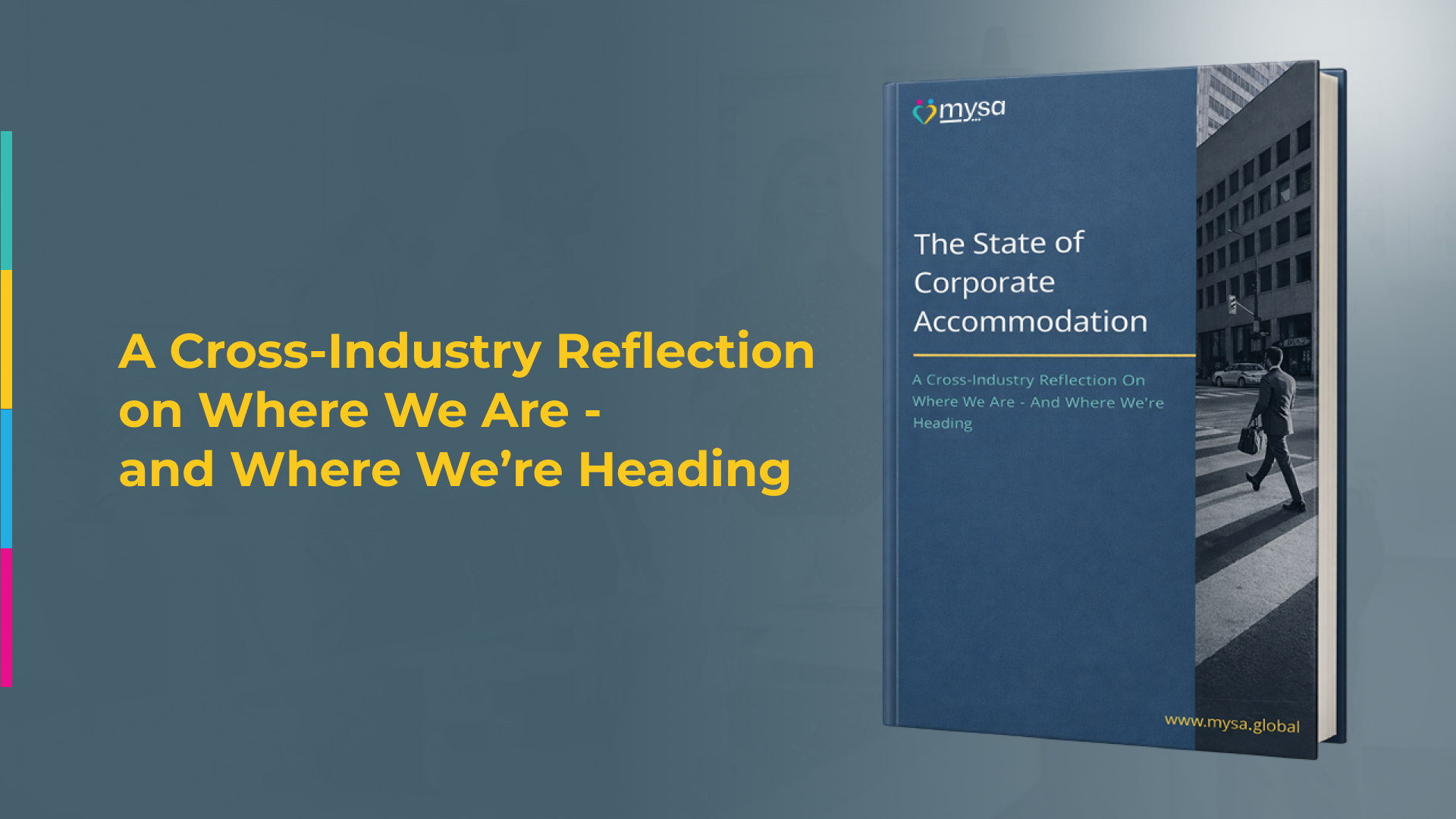
The State of Corporate Accommodation: A Baseline for 2026
As the corporate travel sector enters 2026, accommodation remains one of its most strategically important and consistently challenging categories. However, despite its importance, alignment across the ecosystem continues to feel elusive.
Over the last year, we’ve spent time speaking with buyers, hotels, and intermediaries across different markets and programme types. Although these stakeholders operate under very different pressures, a common theme kept emerging. It wasn’t disagreement. Instead, it was a shared frustration.
People were describing different symptoms, but, ultimately, they were operating inside the same underlying system.
This report exists to capture that shared reality.
Not as a critique.
Not as a forecast.
And not as a call to action.
Rather, it serves as a baseline, a clear view of where corporate accommodation stands today and, just as importantly, the structural context shaping how it behaves.
A Shared System, Experienced in Different Ways
Buyers, hotels and intermediaries are often positioned as opposing sides of the accommodation conversation. In practice, however, what we heard throughout 2025 was far more nuanced.
Buyers spoke about visibility, compliance, and confidence.
Hotels spoke about rate integrity, operational pressure, and distribution complexity.
Meanwhile, intermediaries spoke about scale, fragmentation, and the difficulty of aligning intent across disconnected processes.
Different lenses, therefore, but a strikingly similar conclusion: effort alone was no longer translating into certainty.
Rather than framing these perspectives as competing viewpoints, The State of Corporate Accommodation brings them together. By doing so, it explains how the system itself has evolved and why many of today’s challenges persist despite good intent on all sides.
Why Establishing a Baseline Matters
Much of the discussion around accommodation focuses on activity.
More reporting.
More data.
More tools.
More automation.
Yet, confidence in outcomes has not increased at the same pace.
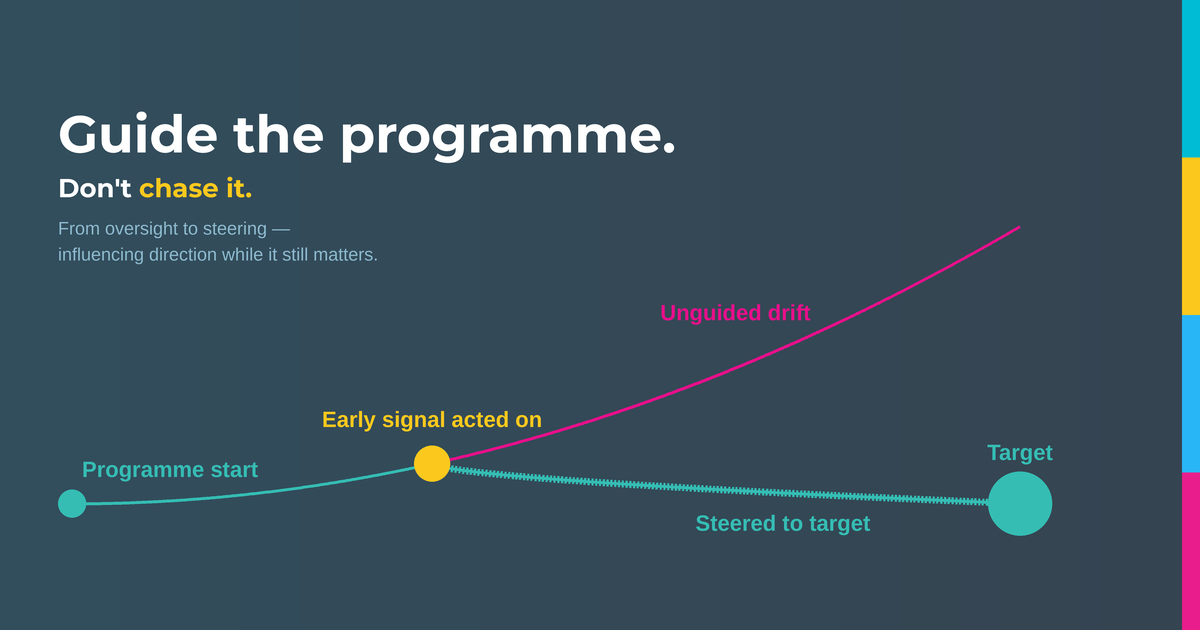
This is precisely why a baseline matters. Without a shared understanding of how the system currently operates and where it breaks down – progress risks becoming reactive rather than deliberate. As a result, optimisation is often reviewed after the fact instead of being shaped in real time.
This report does not attempt to solve those issues. Instead, it aims to describe the environment in which they occur, as well as the constraints within which buyers and hotels are operating today.
What This Report Is – and What It Isn’t
What It Is
The State of Corporate Accommodation is:
-
A synthesis of what buyers and hotels have been consistently articulating
-
A structural view of how accommodation programmes function in practice
-
A foundation for more constructive, and less adversarial, conversations
What It Is Not
By contrast, it is not:
-
A ranking of performance
-
A judgement on stakeholder behaviour
-
A product or technology announcement
Ultimately, the intention is to slow the conversation down, not accelerate it.
Looking Ahead from a Clearer Starting Point
As the industry moves further into 2026, questions around confidence, collaboration and commercial alignment are becoming harder to ignore. While many of the tensions discussed in this report are not new, they are becoming more visible as programmes scale and expectations rise.
By establishing a shared baseline, we hope this report helps shift conversations away from blame or surface-level fixes and toward a clearer understanding of the system we are all operating within.
That understanding is not the end of the journey. However, it is a necessary place to start.
About the Report
The State of Corporate Accommodation reflects discussions, insights, and themes gathered across sourcing cycles, industry forums, conferences, and direct conversations with buyers and hotel operators throughout 2025. As such, it is intended to serve as a reference point for ongoing dialogue as the sector enters 2026.