Back to list

Rethinking the RFP: Why the Future of Accommodation Depends on Connection, Not Control
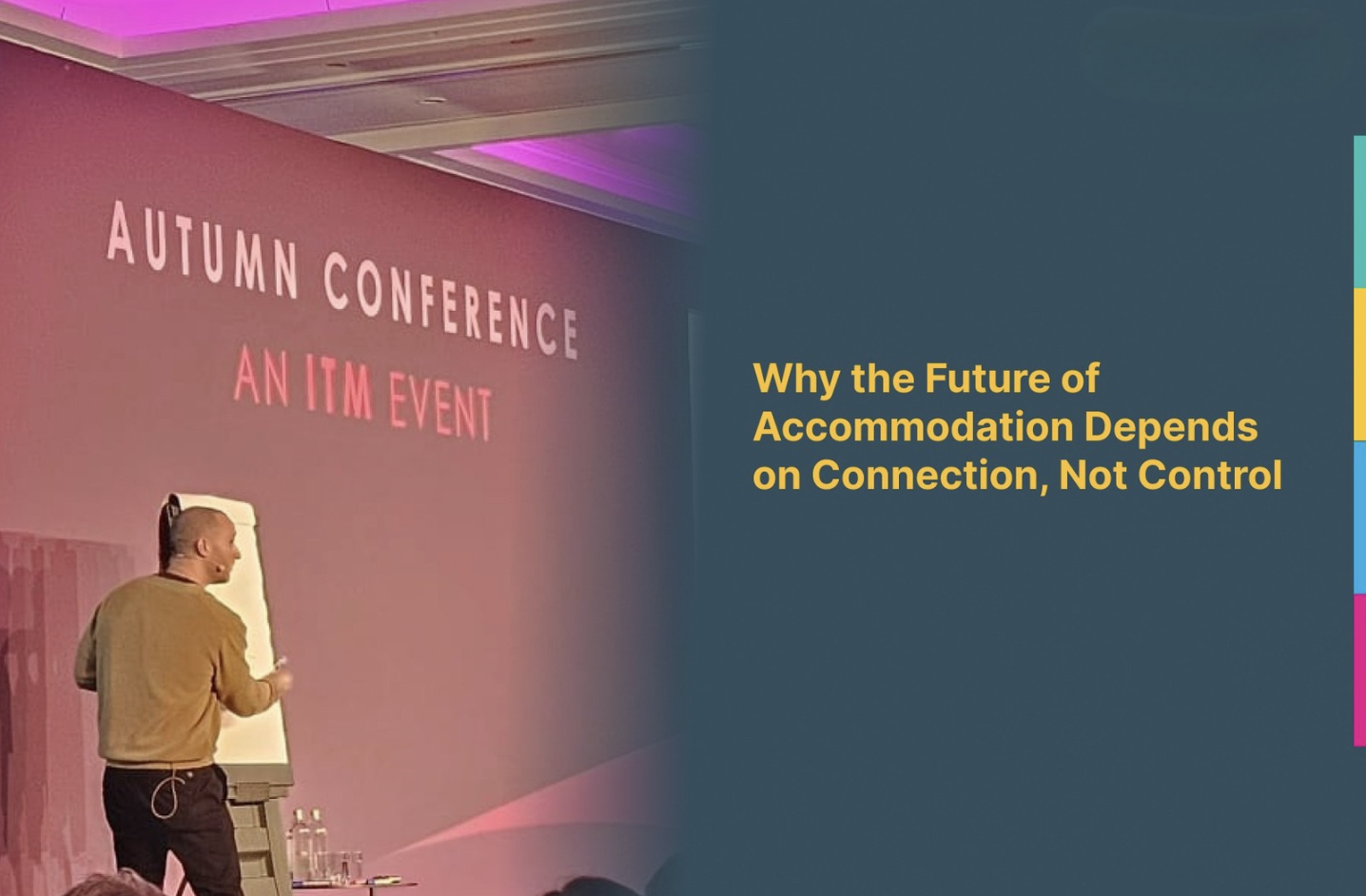
At the ITM Autumn Conference last week, one session captured the collective mood of an industry ready for transformation – The Future of Accommodation.
From global travel buyers and hotel chains to extended stay operators and TMCs, the message was consistent: the traditional RFP model no longer fits the world we live in. What once brought structure and control has now become a barrier to progress, consuming time, energy, and trust across all stakeholders.
A System Everyone Agrees Is Broken
Throughout the debate, something rare happened – the industry aligned.
One hotel chain revealed it loses over 557 working days a year to manual RFP cycles. Buyers described the process as “a lot of resource from all sides – and not enough return.” Even TMCs, often defenders of the model, conceded it’s far from perfect.
The shared sentiment was clear: no one wants to keep doing it this way.
Participation costs continue to rise for hotels, while the return for buyers keeps falling. Meanwhile, intermediaries find themselves trapped in a process out of sync with modern travel – a landscape that is fluid, data-driven and increasingly personalised.
Beyond Static vs. Dynamic Pricing: The Real Debate
For years, conversations have centered around static versus dynamic hotel rates. Yet, as several speakers pointed out, that’s not the real issue.
At the heart of the problem lies trust.
Buyers often doubt that dynamic rates deliver true value. Hotels, on the other hand, express frustration at opaque systems that erode margins and strain relationships. The result is an annual negotiation theatre that few believe in but nearly everyone continues to perform.
As one buyer succinctly said:
“I’d rather spend my time managing my programme than running an RFP.”
That line struck a chord throughout the room.
Towards a Connected Future for Accommodation
What if the solution isn’t another new process – but a new philosophy?
Instead of debating who controls the data, the industry could shift focus to how that data connects. Instead of static annual reviews, imagine living, evolving travel programmes guided by real insights, shared goals, and mutual accountability.
A truly connected ecosystem wouldn’t replace human relationships – it would enhance them. Decision-making could rely on shared visibility, not assumptions. Collaboration would build trust through transparency, rather than test it through control.
The Power of Shared Progress
Optimism from the ITM session wasn’t about abandoning tradition; it was about reimagining it.
The travel industry no longer questions if change is needed – it’s asking how to make it happen.
Real progress depends on buyers who experiment, suppliers who share, and technology partners who enable seamless data flow – securely, simply and transparently.
The future of accommodation won’t emerge from working harder within silos. It will come from working smarter across them.
The Moment for Change Is Now
If the ITM debate proved anything, it’s that we are closer than ever to meaningful change. The willingness is real. The frustration is real. What matters now is how quickly the industry can turn both into collaboration that delivers lasting value.
For years, travel has chased optimisation within isolated systems. The next step is to connect those systems – bridging people, platforms and purpose.
That’s the shift from process to progress – and it begins with connection.